Altair Media
Europe's systems. Society's future.
-

Airbus and Europe’s Critical Systems
Wednesday, July 8, 2026
Communication is increasingly becoming one of Europe’s most critical infrastructures. Behind emergency services, airports and secure networks lies an invisible architecture of trust, where resilience matters more than speed and continuity becomes a strategic capability in its own right.
-
The University Under Guard
Saturday, July 4, 2026
Universities were built upon openness, collaboration and scientific exchange. Yet as semiconductors, photonics and artificial intelligence become strategic technologies, Europe increasingly faces a difficult question: how open can science remain when knowledge itself becomes infrastructure?
-

The Examination Society
Friday, July 3, 2026
Examinations are among the most trusted institutions of modern society. Yet as technology transforms economies and labour markets, an uncomfortable question emerges: are we still measuring the capabilities future societies will actually need?
-

What Is Education Actually For?
Thursday, July 2, 2026
Education is often viewed as a pathway to personal opportunity. Yet education also shapes the knowledge, skills and capabilities that determine how societies innovate, adapt and prepare for the future.
-
Who Is Actually Investing?
Thursday, June 25, 2026
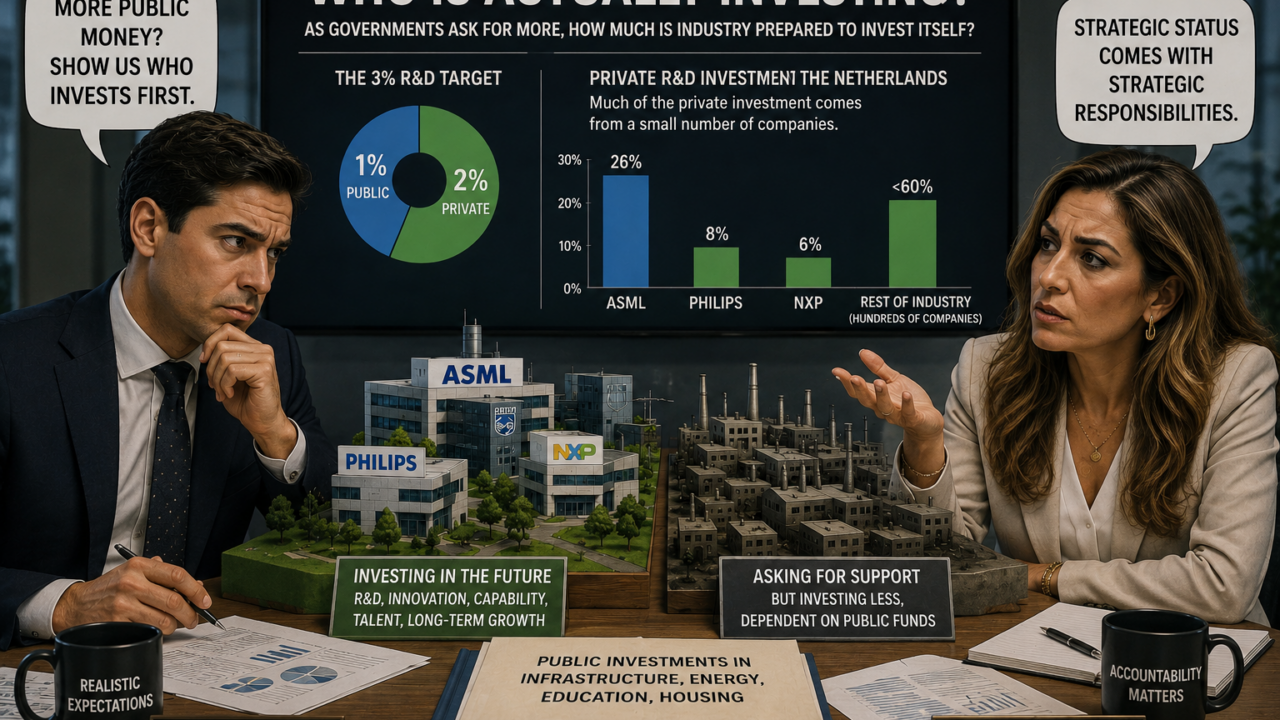
As governments are increasingly asked to fund competitiveness, a simple question remains. How much is industry prepared to invest itself? While companies such as ASML, Philips and NXP invest heavily in research and development, the broader picture may be more complicated than political debates often suggest.
-

From Energy to Intelligence
Wednesday, June 24, 2026
As artificial intelligence becomes increasingly dependent on energy, a new geography of computing may be emerging. Project Enki explores whether the future of AI infrastructure will be built around technology hubs—or around locations where energy is abundant.
-
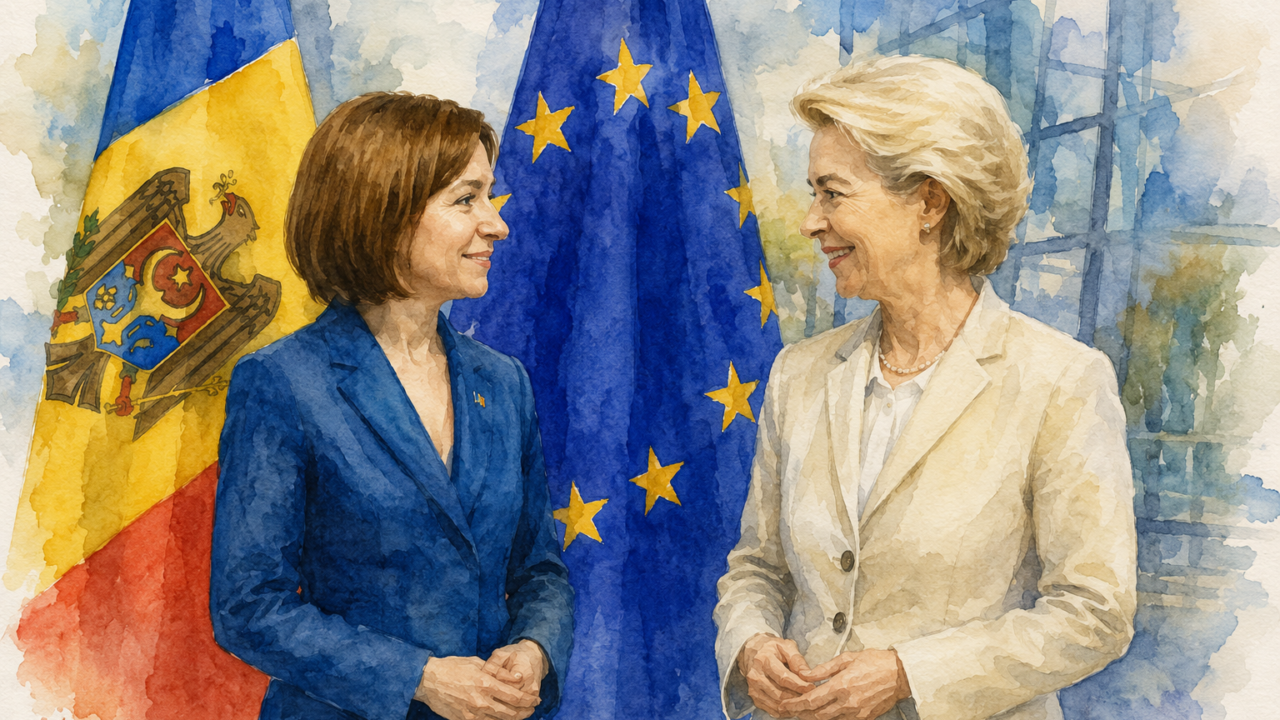
Moldova and Europe’s New Frontier
Wednesday, June 24, 2026
Moldova’s path toward European Union membership reveals a deeper transformation taking place within Europe itself. As energy networks, payment systems and infrastructure become tools of resilience, enlargement is increasingly about stability, sovereignty and the architecture of a changing continent.
-
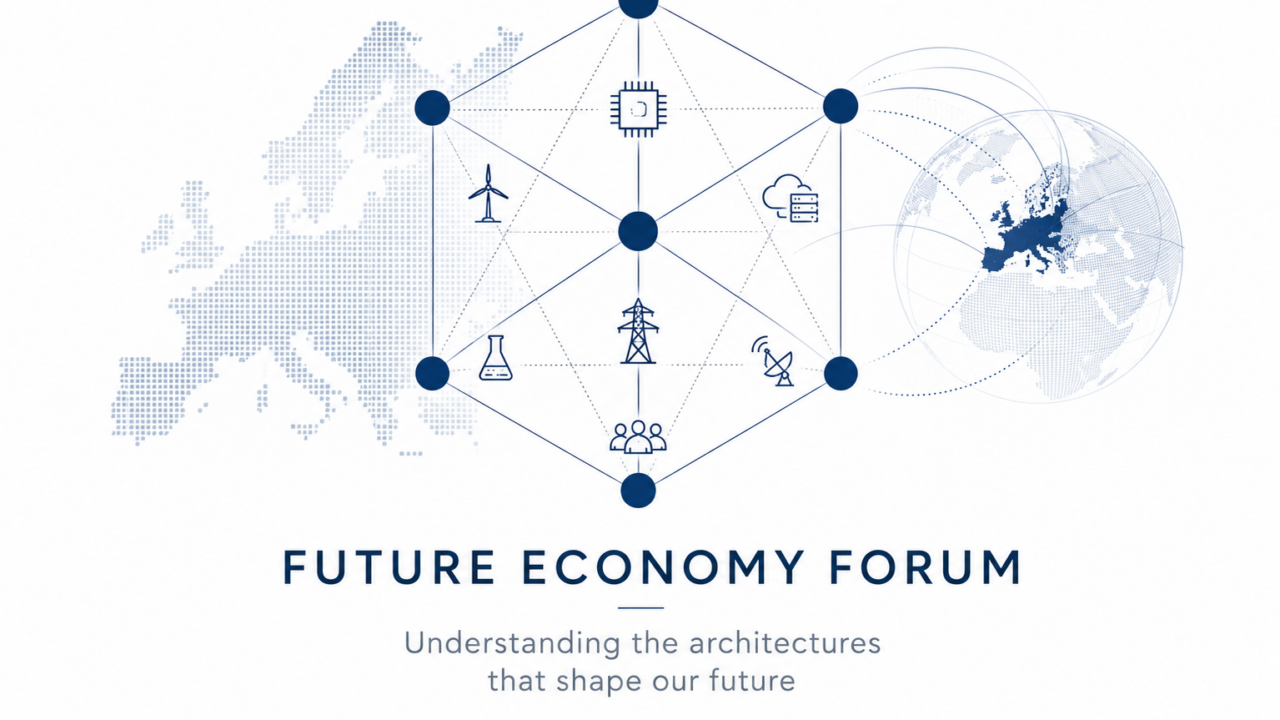
Europe’s Strategic Markets
Sunday, June 21, 2026
As artificial intelligence, semiconductors, energy systems and digital infrastructure become increasingly strategic, Europe faces a new challenge. Some markets no longer function as markets alone. They are becoming critical components of economic capacity, resilience and long-term competitiveness.
-
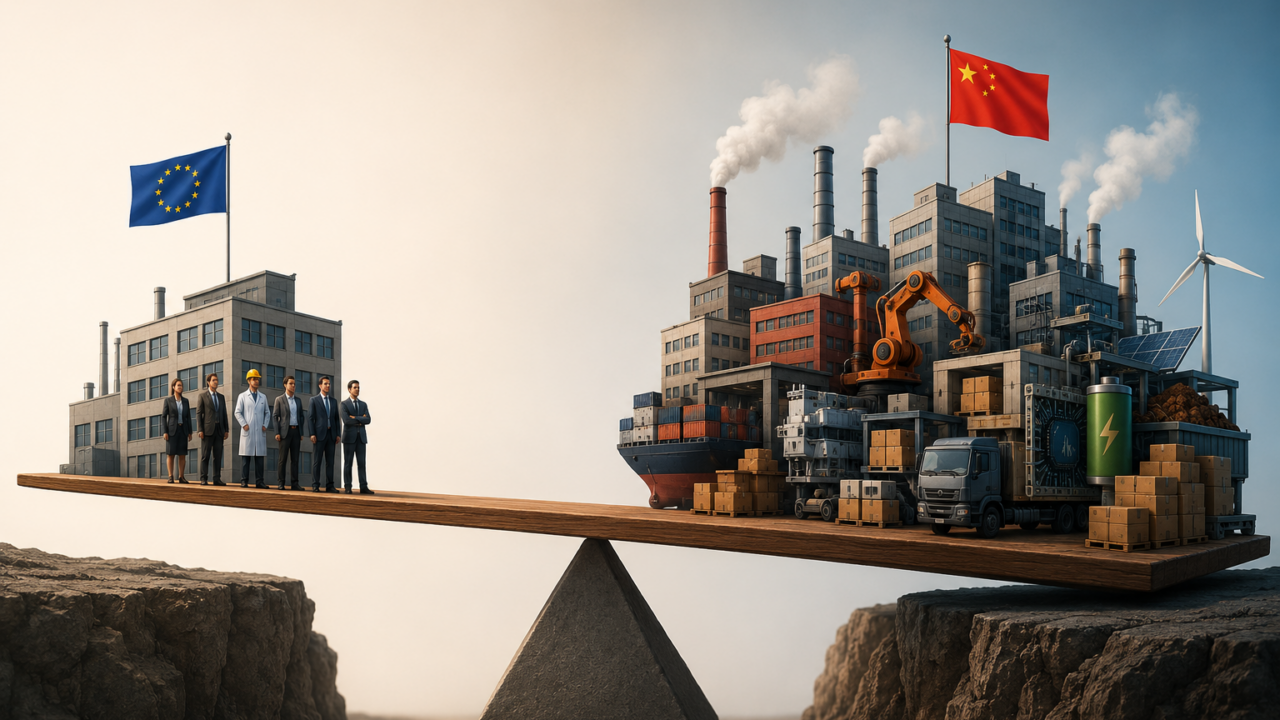
When Markets Play by Different Rules
Saturday, June 13, 2026
Europe’s challenge is no longer simply competing with foreign companies. It is increasingly competing with state-backed industrial ecosystems. As strategic industries shift from products to infrastructure, Europe faces difficult questions about resilience, sovereignty and the future of open markets.
-

What Is ASML Becoming?
Wednesday, June 10, 2026
For decades, ASML was viewed primarily as a technology company. Today, it increasingly occupies a position that extends beyond markets and products. In this series, Altair Media explores how ASML became one of the world’s most strategically important enterprises—and what that may mean for the future of Europe and the global technology economy.